Buy ecorate.eu ?
We are moving the project
ecorate.eu .
Are you interested in purchasing the domain
ecorate.eu ?
domain@kv-gmbh.de · 0541-91531010
Buy ecorate.eu ?
Can stackable stones promote cognition?
Stackable stones can potentially promote cognition by engaging the brain in problem-solving tasks, improving spatial awareness, and enhancing hand-eye coordination. The act of stacking stones requires focus, concentration, and planning, which can help stimulate cognitive functions. Additionally, the tactile experience of handling the stones can provide sensory feedback that may benefit cognitive development. Overall, incorporating stackable stones into activities or games can be a fun and beneficial way to support cognitive skills. **
Can stepping stones promote cognition?
Yes, stepping stones can promote cognition by engaging both the body and mind. When individuals navigate through stepping stones, they are required to plan their movements, make decisions, and coordinate their actions, which can help improve cognitive functions such as problem-solving, spatial awareness, and memory. Additionally, stepping stones can provide sensory stimulation and feedback, further enhancing cognitive development. Overall, incorporating stepping stones into activities or environments can be a fun and effective way to promote cognitive skills. **

Similar search terms for Cognition
Top-Angebote
Products related to Cognition:
-
Montessori Number Blocks For Kids, Early Learning Toys, Color Cognition, Letters, Shape, Preschool Educational Puzzle Montessori Number Blocks For Kids, Early Learning Toys, Color Cognition, Letters, Shape, Preschool Educational PuzzleEarly Learning Fun with Montessori Number Blocks Introduce your little one to the world of early learning toys with our Child Montessori Number Blocks. These blocks are designed to enhance cognitive skills, including letters, shapes, and color...29,97 $*Shipping: 0,00 $Secure redirect to the provider
-
Multi Textured Silicone Teether Ring Sensory Tactile Cognition & Molar Toy orangeCommand ultimate pediatric confidence with the TactileKinetic Sensory System, a highperformance oral regulation solution specifically engineered to act as a comprehensive tool for elite organization and superior technical ergonomics. Built with a...37,97 $*Shipping: 0,00 $Secure redirect to the provider
-
Multi Textured Silicone Teether Ring Sensory Tactile Cognition & Molar Toy mustardCommand ultimate pediatric confidence with the TactileKinetic Sensory System, a highperformance oral regulation solution specifically engineered to act as a comprehensive tool for elite organization and superior technical ergonomics. Built with a...37,97 $*Shipping: 0,00 $Secure redirect to the provider
-
Multi Textured Silicone Teether Ring Sensory Tactile Cognition & Molar Toy brownCommand ultimate pediatric confidence with the TactileKinetic Sensory System, a highperformance oral regulation solution specifically engineered to act as a comprehensive tool for elite organization and superior technical ergonomics. Built with a...37,97 $*Shipping: 0,00 $Secure redirect to the provider


-
'By which impulses is cognition promoted in kindergarten?'
Cognition is promoted in kindergarten through various impulses such as sensory experiences, hands-on activities, and social interactions. Sensory experiences, such as exploring different textures and materials, help children develop their cognitive abilities by engaging their senses and making connections between their experiences and the world around them. Hands-on activities, such as puzzles, building blocks, and art projects, encourage children to use their problem-solving skills and think critically. Social interactions with peers and teachers also promote cognition by providing opportunities for children to communicate, collaborate, and learn from each other. Overall, these impulses help to stimulate children's cognitive development and lay the foundation for future learning. **
-
What is Immanuel Kant's theory on human cognition?
Immanuel Kant's theory on human cognition is based on the idea that our knowledge of the world is not solely derived from sensory experience, but is also shaped by the mind's innate structures and categories. He argued that the mind actively organizes and interprets sensory input through concepts such as space, time, and causality. Kant believed that these innate structures, which he called "a priori" categories, are necessary for us to make sense of the world and form coherent knowledge. This theory of cognition is central to Kant's philosophy and has had a significant influence on the development of modern psychology and cognitive science. **
-
What is this style of interior design called?
This style of interior design is called minimalist design. It focuses on simplicity, clean lines, and a clutter-free environment. Minimalist design often features neutral colors, natural materials, and a sense of openness and tranquility. The goal is to create a space that feels calm, uncluttered, and harmonious. **
-
How would you describe your interior design style?
My interior design style can be described as modern and minimalist. I prefer clean lines, open spaces, and a neutral color palette with occasional pops of color for contrast. I also like to incorporate natural elements such as wood and plants to bring warmth and texture to the space. Overall, my style is focused on creating a sense of calm and simplicity in the home. **


How do you find Trump's interior design style?
Trump's interior design style can be described as opulent and extravagant, with a focus on luxury and grandeur. His properties often feature gold accents, marble finishes, and ornate details, creating a sense of grandiosity. The style is often criticized for being ostentatious and lacking in subtlety, but it certainly makes a statement. Overall, Trump's interior design style reflects his larger-than-life persona and his affinity for lavishness. **
What is the name of the interior design style?
The name of the interior design style is "Mid-Century Modern." This style emerged in the mid-20th century and is characterized by clean lines, organic shapes, and a mix of traditional and modern materials. Mid-Century Modern design often features minimalist furniture, bold colors, and a focus on functionality and simplicity. **
Top-Angebote
Products related to Cognition:
-
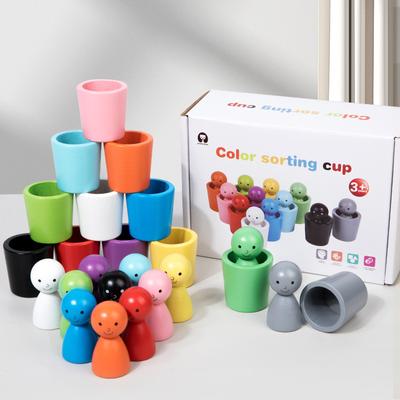
Tiny Tots Teens Trends Montessori Educational Toy, Wooden Color Cups, Sorting Cognition Game For Early Learning Montessori Educational Toy, Wooden Color Cups, Sorting Cognition Game For Early LearningIntroduce your child to the world of learning with the Montessori Wooden Toy Color Cups. Designed to enhance early cognitive development, this engaging matching sorting cognition game training toy provides hours of educational fun. Perfect for young...59,97 $*Shipping: 0,00 $Secure redirect to the provider
-
Multi Textured Silicone Teether Ring Sensory Tactile Cognition & Molar Toy taupeCommand ultimate pediatric confidence with the TactileKinetic Sensory System, a highperformance oral regulation solution specifically engineered to act as a comprehensive tool for elite organization and superior technical ergonomics. Built with a...37,97 $*Shipping: 0,00 $Secure redirect to the provider
-
Montessori Number Blocks For Kids, Early Learning Toys, Color Cognition, Letters, Shape, Preschool Educational Puzzle Montessori Number Blocks For Kids, Early Learning Toys, Color Cognition, Letters, Shape, Preschool Educational PuzzleEarly Learning Fun with Montessori Number Blocks Introduce your little one to the world of early learning toys with our Child Montessori Number Blocks. These blocks are designed to enhance cognitive skills, including letters, shapes, and color...29,97 $*Shipping: 0,00 $Secure redirect to the provider
-
Multi Textured Silicone Teether Ring Sensory Tactile Cognition & Molar Toy orangeCommand ultimate pediatric confidence with the TactileKinetic Sensory System, a highperformance oral regulation solution specifically engineered to act as a comprehensive tool for elite organization and superior technical ergonomics. Built with a...37,97 $*Shipping: 0,00 $Secure redirect to the provider
-
Can stackable stones promote cognition?
Stackable stones can potentially promote cognition by engaging the brain in problem-solving tasks, improving spatial awareness, and enhancing hand-eye coordination. The act of stacking stones requires focus, concentration, and planning, which can help stimulate cognitive functions. Additionally, the tactile experience of handling the stones can provide sensory feedback that may benefit cognitive development. Overall, incorporating stackable stones into activities or games can be a fun and beneficial way to support cognitive skills. **
-
Can stepping stones promote cognition?
Yes, stepping stones can promote cognition by engaging both the body and mind. When individuals navigate through stepping stones, they are required to plan their movements, make decisions, and coordinate their actions, which can help improve cognitive functions such as problem-solving, spatial awareness, and memory. Additionally, stepping stones can provide sensory stimulation and feedback, further enhancing cognitive development. Overall, incorporating stepping stones into activities or environments can be a fun and effective way to promote cognitive skills. **
-
'By which impulses is cognition promoted in kindergarten?'
Cognition is promoted in kindergarten through various impulses such as sensory experiences, hands-on activities, and social interactions. Sensory experiences, such as exploring different textures and materials, help children develop their cognitive abilities by engaging their senses and making connections between their experiences and the world around them. Hands-on activities, such as puzzles, building blocks, and art projects, encourage children to use their problem-solving skills and think critically. Social interactions with peers and teachers also promote cognition by providing opportunities for children to communicate, collaborate, and learn from each other. Overall, these impulses help to stimulate children's cognitive development and lay the foundation for future learning. **
-
What is Immanuel Kant's theory on human cognition?
Immanuel Kant's theory on human cognition is based on the idea that our knowledge of the world is not solely derived from sensory experience, but is also shaped by the mind's innate structures and categories. He argued that the mind actively organizes and interprets sensory input through concepts such as space, time, and causality. Kant believed that these innate structures, which he called "a priori" categories, are necessary for us to make sense of the world and form coherent knowledge. This theory of cognition is central to Kant's philosophy and has had a significant influence on the development of modern psychology and cognitive science. **
Similar search terms for Cognition
-
Multi Textured Silicone Teether Ring Sensory Tactile Cognition & Molar Toy mustardCommand ultimate pediatric confidence with the TactileKinetic Sensory System, a highperformance oral regulation solution specifically engineered to act as a comprehensive tool for elite organization and superior technical ergonomics. Built with a...37,97 $*Shipping: 0,00 $Secure redirect to the provider
-
Multi Textured Silicone Teether Ring Sensory Tactile Cognition & Molar Toy brownCommand ultimate pediatric confidence with the TactileKinetic Sensory System, a highperformance oral regulation solution specifically engineered to act as a comprehensive tool for elite organization and superior technical ergonomics. Built with a...37,97 $*Shipping: 0,00 $Secure redirect to the provider
-
Multi Textured Silicone Teether Ring Sensory Tactile Cognition & Molar Toy dusty BlueCommand ultimate pediatric confidence with the TactileKinetic Sensory System, a highperformance oral regulation solution specifically engineered to act as a comprehensive tool for elite organization and superior technical ergonomics. Built with a...37,97 $*Shipping: 0,00 $Secure redirect to the provider
-
Multi Textured Silicone Teether Ring Sensory Tactile Cognition & Molar Toy light GreenCommand ultimate pediatric confidence with the TactileKinetic Sensory System, a highperformance oral regulation solution specifically engineered to act as a comprehensive tool for elite organization and superior technical ergonomics. Built with a...37,97 $*Shipping: 0,00 $Secure redirect to the provider
-
What is this style of interior design called?
This style of interior design is called minimalist design. It focuses on simplicity, clean lines, and a clutter-free environment. Minimalist design often features neutral colors, natural materials, and a sense of openness and tranquility. The goal is to create a space that feels calm, uncluttered, and harmonious. **
-
How would you describe your interior design style?
My interior design style can be described as modern and minimalist. I prefer clean lines, open spaces, and a neutral color palette with occasional pops of color for contrast. I also like to incorporate natural elements such as wood and plants to bring warmth and texture to the space. Overall, my style is focused on creating a sense of calm and simplicity in the home. **
-
How do you find Trump's interior design style?
Trump's interior design style can be described as opulent and extravagant, with a focus on luxury and grandeur. His properties often feature gold accents, marble finishes, and ornate details, creating a sense of grandiosity. The style is often criticized for being ostentatious and lacking in subtlety, but it certainly makes a statement. Overall, Trump's interior design style reflects his larger-than-life persona and his affinity for lavishness. **
-
What is the name of the interior design style?
The name of the interior design style is "Mid-Century Modern." This style emerged in the mid-20th century and is characterized by clean lines, organic shapes, and a mix of traditional and modern materials. Mid-Century Modern design often features minimalist furniture, bold colors, and a focus on functionality and simplicity. **
* All prices are inclusive of VAT and, if applicable, plus shipping costs. The offer information is based on the details provided by the respective shop and is updated through automated processes. Real-time updates do not occur, so deviations can occur in individual cases. ** Note: Parts of this content were created by AI.