Buy ecorate.eu ?
We are moving the project
ecorate.eu .
Are you interested in purchasing the domain
ecorate.eu ?
domain@kv-gmbh.de · 0541-91531010
Buy ecorate.eu ?
What is the difference between Viennese Classicism and Weimar Classicism?
Viennese Classicism refers to the musical and artistic movement that emerged in Vienna during the late 18th century, with composers like Mozart, Haydn, and Beethoven as its key figures. Weimar Classicism, on the other hand, refers to the literary and cultural movement that took place in Weimar, Germany, during the late 18th and early 19th centuries, with writers and thinkers like Goethe and Schiller at its center. While Viennese Classicism is primarily associated with music, Weimar Classicism is more focused on literature and philosophy. Both movements, however, share a commitment to balance, harmony, and a return to classical forms and ideals. **
Has Weimar Classicism failed?
Weimar Classicism, a cultural and literary movement in Germany during the late 18th and early 19th centuries, is considered by many to have been a successful period of artistic and intellectual achievement. However, some critics argue that it failed to bring about lasting social or political change. While Weimar Classicism did not lead to significant reforms or revolution, its impact on German literature, philosophy, and culture was profound and enduring. Ultimately, whether Weimar Classicism can be considered a failure depends on the criteria by which its success is judged. **

Similar search terms for Classicism
Top-Angebote
Products related to Classicism:
-
Lush Living Finds Modern Curve Design Black Hourglass, Sand Clock For Simple Interior, Aesthetic Glass Craft Ornament For Home Decor Modern Curve Design Black Hourglass, Sand Clock For Simple Interior, Aesthetic Glass Craft Ornament For Home DecorAdd a Touch of Elegance to Your Home Bring a modern flair to your home with this Curve Design Black Hourglass Sand Clock. Designed with a sleek, minimalist aesthetic, this sand clock serves as an eyecatching modern style home decor piece. The black...134,97 $*Shipping: 0,00 $Secure redirect to the provider
-
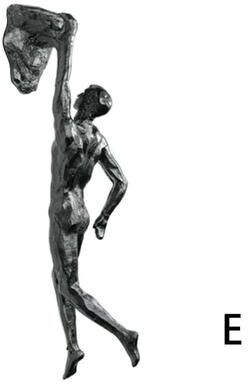
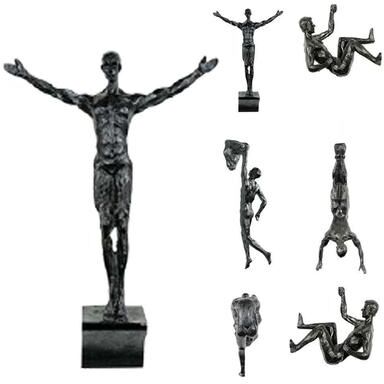
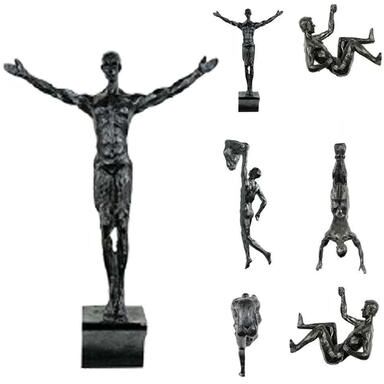
ModernMart Modern Rock Climber Wall Decor Resin Sculpture For Home And Office Inspiration eTransform any space into a symbol of ambition and perseverance with this striking climbing wall sculpture. Designed for those who admire strength, focus, and bold aesthetics, this piece captures the thrill of ascent in a sleek, modern form. Crafted...39,97 $*Shipping: 0,00 $Secure redirect to the provider
-
ModernMart Modern Rock Climber Wall Decor Resin Sculpture For Home And Office Inspiration dTransform any space into a symbol of ambition and perseverance with this striking climbing wall sculpture. Designed for those who admire strength, focus, and bold aesthetics, this piece captures the thrill of ascent in a sleek, modern form. Crafted...39,97 $*Shipping: 0,00 $Secure redirect to the provider

-
Has the Weimar Classicism failed?
The Weimar Classicism, which was a cultural and literary movement in Germany during the late 18th and early 19th centuries, can be considered a success in many ways. It brought together some of the greatest minds of the time, including Johann Wolfgang von Goethe and Friedrich Schiller, and produced timeless works of literature and philosophy. However, it could be argued that the movement failed to have a lasting impact on German society and politics, as it was eventually overshadowed by the rise of Romanticism and the political turmoil of the 19th century. Ultimately, whether or not Weimar Classicism failed depends on the criteria used to measure its success. **
-
What are examples of Weimar Classicism?
Some examples of Weimar Classicism include the works of Johann Wolfgang von Goethe, such as his novel "Wilhelm Meister's Apprenticeship" and his play "Faust." Another example is Friedrich Schiller's play "William Tell," which reflects the ideals of the movement through its focus on heroism and freedom. Additionally, the architectural designs of Weimar, such as the Weimar Court Theater and the Weimar City Palace, also exemplify the principles of Weimar Classicism through their emphasis on balance, harmony, and classical forms. **
-
What are the traditions of Weimar Classicism?
Weimar Classicism was a cultural and literary movement that emerged in the late 18th century in Germany. Some of the key traditions of Weimar Classicism include a focus on reason, harmony, and balance in both art and society. This movement also emphasized the importance of education, humanism, and the pursuit of knowledge. Weimar Classicism sought to revive the ideals of ancient Greece and Rome, and its proponents believed in the power of art and literature to elevate and educate society. **
-
What are typical poems of Weimar Classicism?
Typical poems of Weimar Classicism often focus on themes of nature, beauty, and the human experience. They are characterized by their clarity, balance, and harmony, drawing inspiration from classical Greek and Roman literature. Poets of this movement, such as Johann Wolfgang von Goethe and Friedrich Schiller, sought to create works that were both intellectually stimulating and emotionally resonant, reflecting the ideals of the Enlightenment. These poems often explore the tension between reason and emotion, and the search for meaning and truth in the world. **
What is the literary era of Classicism?
The literary era of Classicism, also known as Neoclassicism, emerged in the 18th century as a reaction against the extravagance and emotionalism of the Baroque period. Classicism emphasized order, reason, and rationality, drawing inspiration from the art and literature of ancient Greece and Rome. Writers during this era sought to emulate the style and themes of classical antiquity, focusing on clarity, balance, and restraint in their works. Classicism also placed a strong emphasis on the use of formal structures and traditional poetic forms, such as the sonnet and the heroic couplet. **
What are the criticisms of Weimar Classicism?
Critics of Weimar Classicism argue that it was overly idealistic and focused on an unrealistic vision of a harmonious society, ignoring the social and political tensions of the time. They also claim that the movement was elitist, catering to the intellectual and aristocratic elite while neglecting the concerns of the working class. Additionally, some critics argue that Weimar Classicism's emphasis on rationality and order stifled creativity and individual expression, leading to a lack of innovation in the arts and literature. **
Top-Angebote
Products related to Classicism:
-
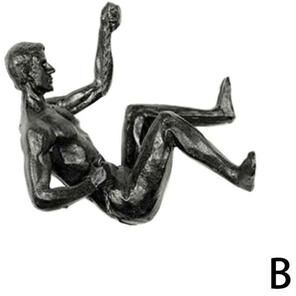
ModernMart Modern Rock Climber Wall Decor Resin Sculpture For Home And Office Inspiration bTransform any space into a symbol of ambition and perseverance with this striking climbing wall sculpture. Designed for those who admire strength, focus, and bold aesthetics, this piece captures the thrill of ascent in a sleek, modern form. Crafted...39,97 $*Shipping: 0,00 $Secure redirect to the provider
-
Lush Living Finds Modern Style Home Decor, Curve Design Black Hourglass, Aesthetic Sand Clock Glass Craft Modern Style Home Decor, Curve Design Black Hourglass, Aesthetic Sand Clock Glass CraftElevate Your Space with Modern Style: Bring sophistication and elegance to your home with the Curve Design Black Hourglass. This sleek sand clock is more than just a functional timepieceit's an aesthetic centerpiece for your living room, office, or...49,97 $*Shipping: 0,00 $Secure redirect to the provider
-
Lush Living Finds Modern Curve Design Black Hourglass, Sand Clock For Simple Interior, Aesthetic Glass Craft Ornament For Home Decor Modern Curve Design Black Hourglass, Sand Clock For Simple Interior, Aesthetic Glass Craft Ornament For Home DecorAdd a Touch of Elegance to Your Home Bring a modern flair to your home with this Curve Design Black Hourglass Sand Clock. Designed with a sleek, minimalist aesthetic, this sand clock serves as an eyecatching modern style home decor piece. The black...134,97 $*Shipping: 0,00 $Secure redirect to the provider
-
What is the difference between Viennese Classicism and Weimar Classicism?
Viennese Classicism refers to the musical and artistic movement that emerged in Vienna during the late 18th century, with composers like Mozart, Haydn, and Beethoven as its key figures. Weimar Classicism, on the other hand, refers to the literary and cultural movement that took place in Weimar, Germany, during the late 18th and early 19th centuries, with writers and thinkers like Goethe and Schiller at its center. While Viennese Classicism is primarily associated with music, Weimar Classicism is more focused on literature and philosophy. Both movements, however, share a commitment to balance, harmony, and a return to classical forms and ideals. **
-
Has Weimar Classicism failed?
Weimar Classicism, a cultural and literary movement in Germany during the late 18th and early 19th centuries, is considered by many to have been a successful period of artistic and intellectual achievement. However, some critics argue that it failed to bring about lasting social or political change. While Weimar Classicism did not lead to significant reforms or revolution, its impact on German literature, philosophy, and culture was profound and enduring. Ultimately, whether Weimar Classicism can be considered a failure depends on the criteria by which its success is judged. **
-
Has the Weimar Classicism failed?
The Weimar Classicism, which was a cultural and literary movement in Germany during the late 18th and early 19th centuries, can be considered a success in many ways. It brought together some of the greatest minds of the time, including Johann Wolfgang von Goethe and Friedrich Schiller, and produced timeless works of literature and philosophy. However, it could be argued that the movement failed to have a lasting impact on German society and politics, as it was eventually overshadowed by the rise of Romanticism and the political turmoil of the 19th century. Ultimately, whether or not Weimar Classicism failed depends on the criteria used to measure its success. **
-
What are examples of Weimar Classicism?
Some examples of Weimar Classicism include the works of Johann Wolfgang von Goethe, such as his novel "Wilhelm Meister's Apprenticeship" and his play "Faust." Another example is Friedrich Schiller's play "William Tell," which reflects the ideals of the movement through its focus on heroism and freedom. Additionally, the architectural designs of Weimar, such as the Weimar Court Theater and the Weimar City Palace, also exemplify the principles of Weimar Classicism through their emphasis on balance, harmony, and classical forms. **
Similar search terms for Classicism
-
ModernMart Modern Rock Climber Wall Decor Resin Sculpture For Home And Office Inspiration eTransform any space into a symbol of ambition and perseverance with this striking climbing wall sculpture. Designed for those who admire strength, focus, and bold aesthetics, this piece captures the thrill of ascent in a sleek, modern form. Crafted...39,97 $*Shipping: 0,00 $Secure redirect to the provider
-
ModernMart Modern Rock Climber Wall Decor Resin Sculpture For Home And Office Inspiration dTransform any space into a symbol of ambition and perseverance with this striking climbing wall sculpture. Designed for those who admire strength, focus, and bold aesthetics, this piece captures the thrill of ascent in a sleek, modern form. Crafted...39,97 $*Shipping: 0,00 $Secure redirect to the provider
-
ModernMart Modern Rock Climber Wall Decor Resin Sculpture For Home And Office Inspiration aTransform any space into a symbol of ambition and perseverance with this striking climbing wall sculpture. Designed for those who admire strength, focus, and bold aesthetics, this piece captures the thrill of ascent in a sleek, modern form. Crafted...39,97 $*Shipping: 0,00 $Secure redirect to the provider
-
ModernMart Modern Rock Climber Wall Decor Resin Sculpture For Home And Office Inspiration cTransform any space into a symbol of ambition and perseverance with this striking climbing wall sculpture. Designed for those who admire strength, focus, and bold aesthetics, this piece captures the thrill of ascent in a sleek, modern form. Crafted...39,97 $*Shipping: 0,00 $Secure redirect to the provider
-
What are the traditions of Weimar Classicism?
Weimar Classicism was a cultural and literary movement that emerged in the late 18th century in Germany. Some of the key traditions of Weimar Classicism include a focus on reason, harmony, and balance in both art and society. This movement also emphasized the importance of education, humanism, and the pursuit of knowledge. Weimar Classicism sought to revive the ideals of ancient Greece and Rome, and its proponents believed in the power of art and literature to elevate and educate society. **
-
What are typical poems of Weimar Classicism?
Typical poems of Weimar Classicism often focus on themes of nature, beauty, and the human experience. They are characterized by their clarity, balance, and harmony, drawing inspiration from classical Greek and Roman literature. Poets of this movement, such as Johann Wolfgang von Goethe and Friedrich Schiller, sought to create works that were both intellectually stimulating and emotionally resonant, reflecting the ideals of the Enlightenment. These poems often explore the tension between reason and emotion, and the search for meaning and truth in the world. **
-
What is the literary era of Classicism?
The literary era of Classicism, also known as Neoclassicism, emerged in the 18th century as a reaction against the extravagance and emotionalism of the Baroque period. Classicism emphasized order, reason, and rationality, drawing inspiration from the art and literature of ancient Greece and Rome. Writers during this era sought to emulate the style and themes of classical antiquity, focusing on clarity, balance, and restraint in their works. Classicism also placed a strong emphasis on the use of formal structures and traditional poetic forms, such as the sonnet and the heroic couplet. **
-
What are the criticisms of Weimar Classicism?
Critics of Weimar Classicism argue that it was overly idealistic and focused on an unrealistic vision of a harmonious society, ignoring the social and political tensions of the time. They also claim that the movement was elitist, catering to the intellectual and aristocratic elite while neglecting the concerns of the working class. Additionally, some critics argue that Weimar Classicism's emphasis on rationality and order stifled creativity and individual expression, leading to a lack of innovation in the arts and literature. **
* All prices are inclusive of VAT and, if applicable, plus shipping costs. The offer information is based on the details provided by the respective shop and is updated through automated processes. Real-time updates do not occur, so deviations can occur in individual cases. ** Note: Parts of this content were created by AI.