Buy ecorate.eu ?
We are moving the project
ecorate.eu .
Are you interested in purchasing the domain
ecorate.eu ?
domain@kv-gmbh.de · 0541-91531010
Buy ecorate.eu ?
What are lipid biomembranes?
Lipid biomembranes are structures composed mainly of lipids that form the outer boundary of cells and organelles. These biomembranes are selectively permeable, allowing certain molecules to pass through while blocking others. They play a crucial role in maintaining the integrity and function of cells by regulating the transport of ions and molecules, as well as providing a platform for various cellular processes such as signaling and cell-cell interactions. Lipid biomembranes are dynamic structures that can change in composition and organization in response to environmental cues and cellular needs. **
What is the function of biomembranes?
Biomembranes serve several important functions in living organisms. They act as a barrier, separating the internal environment of the cell from the external environment, and controlling the movement of substances in and out of the cell. Biomembranes also play a role in cell recognition and communication, as they contain proteins and receptors that allow cells to interact with each other and with their environment. Additionally, biomembranes are involved in maintaining the structural integrity of cells and organelles. Overall, biomembranes are essential for the proper functioning and survival of cells and organisms. **


Similar search terms for Biomembranes
Top-Angebote
Products related to Biomembranes:
-
Lush Living Finds Modern Curve Design Black Hourglass, Sand Clock For Simple Interior, Aesthetic Glass Craft Ornament For Home Decor Modern Curve Design Black Hourglass, Sand Clock For Simple Interior, Aesthetic Glass Craft Ornament For Home DecorAdd a Touch of Elegance to Your Home Bring a modern flair to your home with this Curve Design Black Hourglass Sand Clock. Designed with a sleek, minimalist aesthetic, this sand clock serves as an eyecatching modern style home decor piece. The black...134,97 $*Shipping: 0,00 $Secure redirect to the provider
-
ModernMart Modern Rock Climber Wall Decor Resin Sculpture For Home And Office Inspiration fTransform any space into a symbol of ambition and perseverance with this striking climbing wall sculpture. Designed for those who admire strength, focus, and bold aesthetics, this piece captures the thrill of ascent in a sleek, modern form. Crafted...39,97 $*Shipping: 0,00 $Secure redirect to the provider
-
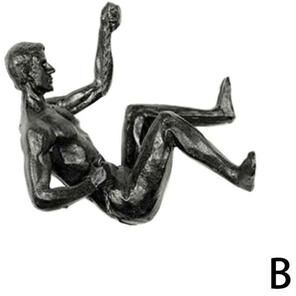
ModernMart Modern Rock Climber Wall Decor Resin Sculpture For Home And Office Inspiration bTransform any space into a symbol of ambition and perseverance with this striking climbing wall sculpture. Designed for those who admire strength, focus, and bold aesthetics, this piece captures the thrill of ascent in a sleek, modern form. Crafted...39,97 $*Shipping: 0,00 $Secure redirect to the provider



-
What are the different functions of biomembranes?
Biomembranes serve several important functions in cells. They act as a barrier, regulating the passage of molecules in and out of the cell. They also provide structural support and shape to cells. Additionally, biomembranes play a crucial role in cell communication and signaling by containing receptors and other proteins that allow cells to interact with their environment. Lastly, biomembranes are involved in compartmentalization, separating different organelles within the cell and maintaining their distinct environments. **
-
How are membrane proteins arranged in biomembranes?
Membrane proteins are arranged in biomembranes in various ways. Some proteins are embedded within the lipid bilayer, with portions of the protein extending into both the inner and outer layers of the membrane. Other proteins are attached to the membrane surface, either on the cytoplasmic side or the extracellular side. Additionally, some proteins span the entire membrane, with portions of the protein exposed on both sides. The specific arrangement of membrane proteins is crucial for their functions, such as transport, signaling, and cell recognition. **
-
How do transport processes occur through biomembranes?
Transport processes occur through biomembranes via various mechanisms such as passive diffusion, facilitated diffusion, and active transport. Passive diffusion involves the movement of small, non-polar molecules across the membrane down their concentration gradient. Facilitated diffusion involves the movement of larger or polar molecules with the help of transport proteins. Active transport, on the other hand, requires energy in the form of ATP to move molecules against their concentration gradient. These transport processes are essential for maintaining the internal environment of the cell and for the uptake of nutrients and removal of waste products. **
-
How do transport processes occur at biomembranes?
Transport processes at biomembranes occur through various mechanisms such as passive diffusion, facilitated diffusion, and active transport. Passive diffusion involves the movement of molecules across the membrane down their concentration gradient, while facilitated diffusion involves the use of transport proteins to help molecules move across the membrane. Active transport requires the use of energy, usually in the form of ATP, to move molecules against their concentration gradient. These processes are essential for the uptake of nutrients, removal of waste products, and maintenance of cellular homeostasis. **


Why are biomembranes more impermeable to water?
Biomembranes are more impermeable to water due to the presence of hydrophobic lipid bilayers that form the structure of the membrane. The hydrophobic tails of the lipid molecules repel water, making it difficult for water molecules to pass through the membrane. Additionally, the presence of integral membrane proteins and cholesterol further restricts the movement of water molecules across the membrane. This selective permeability allows the cell to regulate the passage of water and other molecules, maintaining internal homeostasis. **
Why does cholesterol increase the flexibility of biomembranes?
Cholesterol increases the flexibility of biomembranes by inserting itself between the phospholipid molecules in the membrane. This helps to prevent the phospholipids from packing too closely together, which would decrease the fluidity and flexibility of the membrane. Additionally, cholesterol helps to stabilize the membrane by reducing the permeability to small water-soluble molecules, while still allowing for the movement of larger molecules and maintaining the overall integrity of the membrane structure. Overall, cholesterol plays a crucial role in maintaining the fluidity and flexibility of biomembranes, which is essential for various cellular processes and functions. **
Top-Angebote
Products related to Biomembranes:
-
ModernMart Modern Rock Climber Wall Decor Resin Sculpture For Home And Office Inspiration cTransform any space into a symbol of ambition and perseverance with this striking climbing wall sculpture. Designed for those who admire strength, focus, and bold aesthetics, this piece captures the thrill of ascent in a sleek, modern form. Crafted...39,97 $*Shipping: 0,00 $Secure redirect to the provider
-
Lush Living Finds Modern Style Home Decor, Curve Design Black Hourglass, Aesthetic Sand Clock Glass Craft Modern Style Home Decor, Curve Design Black Hourglass, Aesthetic Sand Clock Glass CraftElevate Your Space with Modern Style: Bring sophistication and elegance to your home with the Curve Design Black Hourglass. This sleek sand clock is more than just a functional timepieceit's an aesthetic centerpiece for your living room, office, or...49,97 $*Shipping: 0,00 $Secure redirect to the provider
-
Lush Living Finds Modern Curve Design Black Hourglass, Sand Clock For Simple Interior, Aesthetic Glass Craft Ornament For Home Decor Modern Curve Design Black Hourglass, Sand Clock For Simple Interior, Aesthetic Glass Craft Ornament For Home DecorAdd a Touch of Elegance to Your Home Bring a modern flair to your home with this Curve Design Black Hourglass Sand Clock. Designed with a sleek, minimalist aesthetic, this sand clock serves as an eyecatching modern style home decor piece. The black...134,97 $*Shipping: 0,00 $Secure redirect to the provider
-
What are lipid biomembranes?
Lipid biomembranes are structures composed mainly of lipids that form the outer boundary of cells and organelles. These biomembranes are selectively permeable, allowing certain molecules to pass through while blocking others. They play a crucial role in maintaining the integrity and function of cells by regulating the transport of ions and molecules, as well as providing a platform for various cellular processes such as signaling and cell-cell interactions. Lipid biomembranes are dynamic structures that can change in composition and organization in response to environmental cues and cellular needs. **
-
What is the function of biomembranes?
Biomembranes serve several important functions in living organisms. They act as a barrier, separating the internal environment of the cell from the external environment, and controlling the movement of substances in and out of the cell. Biomembranes also play a role in cell recognition and communication, as they contain proteins and receptors that allow cells to interact with each other and with their environment. Additionally, biomembranes are involved in maintaining the structural integrity of cells and organelles. Overall, biomembranes are essential for the proper functioning and survival of cells and organisms. **
-
What are the different functions of biomembranes?
Biomembranes serve several important functions in cells. They act as a barrier, regulating the passage of molecules in and out of the cell. They also provide structural support and shape to cells. Additionally, biomembranes play a crucial role in cell communication and signaling by containing receptors and other proteins that allow cells to interact with their environment. Lastly, biomembranes are involved in compartmentalization, separating different organelles within the cell and maintaining their distinct environments. **
-
How are membrane proteins arranged in biomembranes?
Membrane proteins are arranged in biomembranes in various ways. Some proteins are embedded within the lipid bilayer, with portions of the protein extending into both the inner and outer layers of the membrane. Other proteins are attached to the membrane surface, either on the cytoplasmic side or the extracellular side. Additionally, some proteins span the entire membrane, with portions of the protein exposed on both sides. The specific arrangement of membrane proteins is crucial for their functions, such as transport, signaling, and cell recognition. **
Similar search terms for Biomembranes
-
ModernMart Modern Rock Climber Wall Decor Resin Sculpture For Home And Office Inspiration fTransform any space into a symbol of ambition and perseverance with this striking climbing wall sculpture. Designed for those who admire strength, focus, and bold aesthetics, this piece captures the thrill of ascent in a sleek, modern form. Crafted...39,97 $*Shipping: 0,00 $Secure redirect to the provider
-
ModernMart Modern Rock Climber Wall Decor Resin Sculpture For Home And Office Inspiration bTransform any space into a symbol of ambition and perseverance with this striking climbing wall sculpture. Designed for those who admire strength, focus, and bold aesthetics, this piece captures the thrill of ascent in a sleek, modern form. Crafted...39,97 $*Shipping: 0,00 $Secure redirect to the provider
-
ModernMart Modern Rock Climber Wall Decor Resin Sculpture For Home And Office Inspiration aTransform any space into a symbol of ambition and perseverance with this striking climbing wall sculpture. Designed for those who admire strength, focus, and bold aesthetics, this piece captures the thrill of ascent in a sleek, modern form. Crafted...39,97 $*Shipping: 0,00 $Secure redirect to the provider
-
ModernMart Modern Rock Climber Wall Decor Resin Sculpture For Home And Office Inspiration eTransform any space into a symbol of ambition and perseverance with this striking climbing wall sculpture. Designed for those who admire strength, focus, and bold aesthetics, this piece captures the thrill of ascent in a sleek, modern form. Crafted...39,97 $*Shipping: 0,00 $Secure redirect to the provider
-
How do transport processes occur through biomembranes?
Transport processes occur through biomembranes via various mechanisms such as passive diffusion, facilitated diffusion, and active transport. Passive diffusion involves the movement of small, non-polar molecules across the membrane down their concentration gradient. Facilitated diffusion involves the movement of larger or polar molecules with the help of transport proteins. Active transport, on the other hand, requires energy in the form of ATP to move molecules against their concentration gradient. These transport processes are essential for maintaining the internal environment of the cell and for the uptake of nutrients and removal of waste products. **
-
How do transport processes occur at biomembranes?
Transport processes at biomembranes occur through various mechanisms such as passive diffusion, facilitated diffusion, and active transport. Passive diffusion involves the movement of molecules across the membrane down their concentration gradient, while facilitated diffusion involves the use of transport proteins to help molecules move across the membrane. Active transport requires the use of energy, usually in the form of ATP, to move molecules against their concentration gradient. These processes are essential for the uptake of nutrients, removal of waste products, and maintenance of cellular homeostasis. **
-
Why are biomembranes more impermeable to water?
Biomembranes are more impermeable to water due to the presence of hydrophobic lipid bilayers that form the structure of the membrane. The hydrophobic tails of the lipid molecules repel water, making it difficult for water molecules to pass through the membrane. Additionally, the presence of integral membrane proteins and cholesterol further restricts the movement of water molecules across the membrane. This selective permeability allows the cell to regulate the passage of water and other molecules, maintaining internal homeostasis. **
-
Why does cholesterol increase the flexibility of biomembranes?
Cholesterol increases the flexibility of biomembranes by inserting itself between the phospholipid molecules in the membrane. This helps to prevent the phospholipids from packing too closely together, which would decrease the fluidity and flexibility of the membrane. Additionally, cholesterol helps to stabilize the membrane by reducing the permeability to small water-soluble molecules, while still allowing for the movement of larger molecules and maintaining the overall integrity of the membrane structure. Overall, cholesterol plays a crucial role in maintaining the fluidity and flexibility of biomembranes, which is essential for various cellular processes and functions. **
* All prices are inclusive of VAT and, if applicable, plus shipping costs. The offer information is based on the details provided by the respective shop and is updated through automated processes. Real-time updates do not occur, so deviations can occur in individual cases. ** Note: Parts of this content were created by AI.