Buy ecorate.eu ?
We are moving the project
ecorate.eu .
Are you interested in purchasing the domain
ecorate.eu ?
domain@kv-gmbh.de · 0541-91531010
Buy ecorate.eu ?
Why does the fuel injector clatter?
The fuel injector clatters due to the rapid opening and closing of the injector's valve. This clattering noise is caused by the high pressure of the fuel being injected into the combustion chamber. Additionally, the clattering can also be a result of the injector's mechanical components moving and vibrating during the injection process. Overall, the clattering is a normal part of the fuel injection process and is not necessarily a cause for concern unless it becomes excessively loud or irregular. **
Why does the diesel engine's fuel injector no longer atomize?
The diesel engine's fuel injector may no longer atomize due to several reasons. One possible reason is that the injector nozzle may be clogged with dirt, debris, or carbon buildup, preventing the proper spray pattern. Another reason could be a malfunctioning injector pump, which may not be delivering the fuel at the correct pressure or volume. Additionally, wear and tear on the injector components over time can also lead to a decrease in atomization. Regular maintenance and cleaning of the fuel injector system can help prevent these issues and ensure proper atomization for efficient combustion. **


Similar search terms for Universal-Fuel-Injector-Cleaner
Top-Angebote
Products related to Universal-Fuel-Injector-Cleaner:




-
How can one cause more misfires by adjusting the fuel injector?
Adjusting the fuel injector can cause more misfires by changing the fuel-to-air ratio, leading to incomplete combustion. If the injector is adjusted to deliver too much fuel, it can result in a rich mixture that is difficult to ignite, leading to misfires. On the other hand, if the injector is adjusted to deliver too little fuel, it can result in a lean mixture that is also difficult to ignite, causing misfires. Additionally, adjusting the fuel injector can also affect the spray pattern and atomization of the fuel, further impacting combustion and potentially causing misfires. **
-
What is the difference between a carburetor and a fuel injector?
A carburetor is a device that mixes air and fuel together before it enters the engine's combustion chamber. It relies on the vacuum created by the engine to draw in the right amount of fuel. On the other hand, a fuel injector is a more modern and efficient system that sprays fuel directly into the combustion chamber in a fine mist. It is controlled by the engine's computer and can deliver precise amounts of fuel for better fuel efficiency and performance. Overall, the main difference is that a carburetor mixes air and fuel outside the engine, while a fuel injector delivers fuel directly into the combustion chamber. **
-
Is there a universal fuel card for private individuals?
No, there is no universal fuel card for private individuals. Fuel cards are typically offered by specific fuel companies or retailers, and are often targeted towards businesses and fleet management. While some fuel companies may offer loyalty programs or credit cards that can be used for fuel purchases, there is no single universal fuel card that can be used at any gas station. Private individuals can still take advantage of rewards programs and credit cards offered by specific fuel companies to save on fuel purchases. **
-
Can a fuel system cleaner attack old seals?
Yes, a fuel system cleaner has the potential to attack old seals. The harsh chemicals in some fuel system cleaners can cause deterioration of the seals over time, especially if they are already old and worn. It is important to carefully read the instructions and warnings on the cleaner's packaging and to use it according to the manufacturer's recommendations to minimize the risk of damage to the seals. If the seals are already old and worn, it may be best to consult with a professional mechanic before using a fuel system cleaner. **

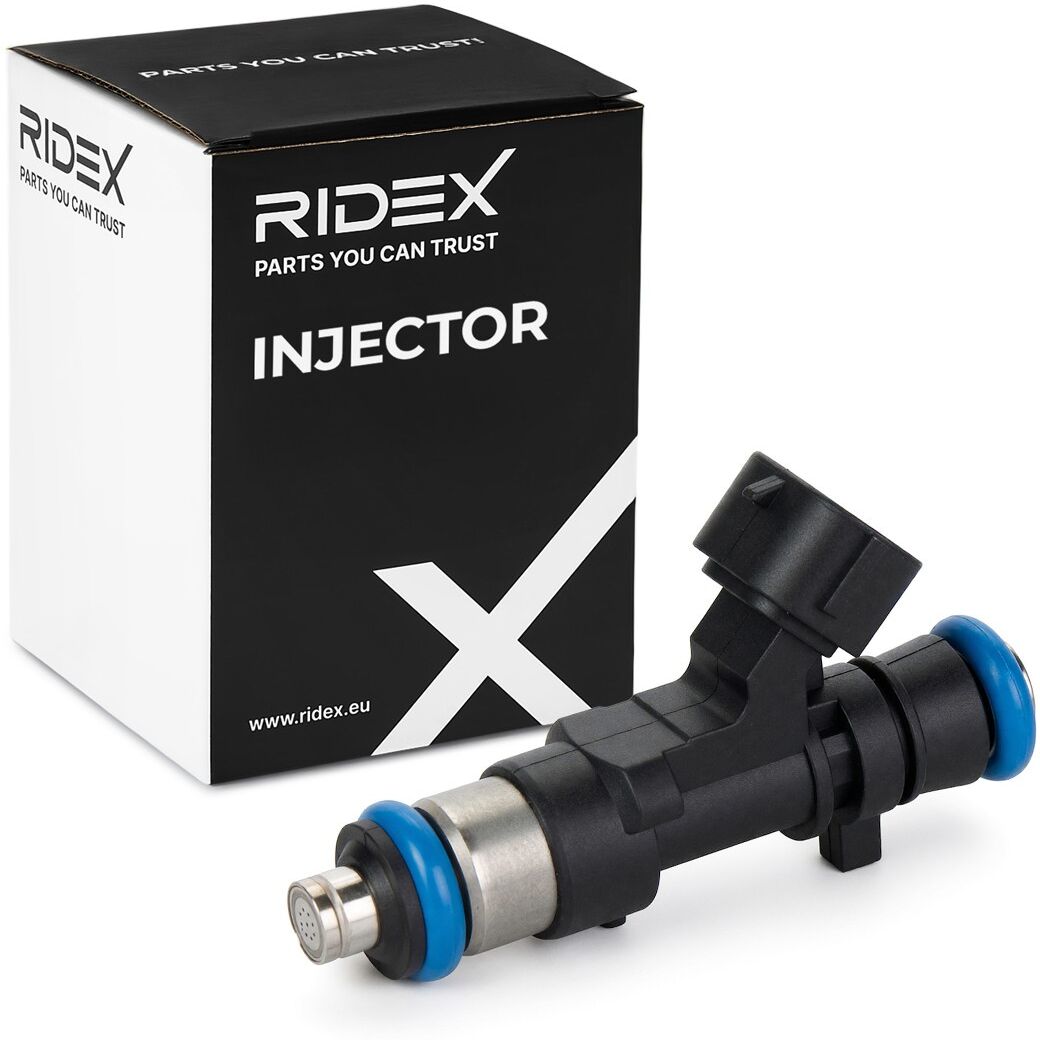
Can a fuel system cleaner damage old seals?
Yes, a fuel system cleaner has the potential to damage old seals in a vehicle's fuel system. The chemicals in the cleaner can cause the seals to deteriorate or swell, leading to leaks or other issues. It is important to carefully follow the manufacturer's instructions when using a fuel system cleaner and to be cautious when using it in older vehicles with potentially fragile seals. If there are concerns about the condition of the seals, it may be best to consult with a mechanic before using a fuel system cleaner. **
Is a defective fuel injector in the engine a manufacturing defect or wear and tear?
A defective fuel injector in the engine is typically considered a manufacturing defect rather than wear and tear. Manufacturing defects occur during the production process and can lead to malfunctions in the component, such as a fuel injector failing to operate properly. Wear and tear, on the other hand, refers to the gradual deterioration of a component over time due to regular use. If a fuel injector fails prematurely or due to a flaw in its design or production, it is more likely to be classified as a manufacturing defect. **
Top-Angebote
Products related to Universal-Fuel-Injector-Cleaner:
-
Why does the fuel injector clatter?
The fuel injector clatters due to the rapid opening and closing of the injector's valve. This clattering noise is caused by the high pressure of the fuel being injected into the combustion chamber. Additionally, the clattering can also be a result of the injector's mechanical components moving and vibrating during the injection process. Overall, the clattering is a normal part of the fuel injection process and is not necessarily a cause for concern unless it becomes excessively loud or irregular. **
-
Why does the diesel engine's fuel injector no longer atomize?
The diesel engine's fuel injector may no longer atomize due to several reasons. One possible reason is that the injector nozzle may be clogged with dirt, debris, or carbon buildup, preventing the proper spray pattern. Another reason could be a malfunctioning injector pump, which may not be delivering the fuel at the correct pressure or volume. Additionally, wear and tear on the injector components over time can also lead to a decrease in atomization. Regular maintenance and cleaning of the fuel injector system can help prevent these issues and ensure proper atomization for efficient combustion. **
-
How can one cause more misfires by adjusting the fuel injector?
Adjusting the fuel injector can cause more misfires by changing the fuel-to-air ratio, leading to incomplete combustion. If the injector is adjusted to deliver too much fuel, it can result in a rich mixture that is difficult to ignite, leading to misfires. On the other hand, if the injector is adjusted to deliver too little fuel, it can result in a lean mixture that is also difficult to ignite, causing misfires. Additionally, adjusting the fuel injector can also affect the spray pattern and atomization of the fuel, further impacting combustion and potentially causing misfires. **
-
What is the difference between a carburetor and a fuel injector?
A carburetor is a device that mixes air and fuel together before it enters the engine's combustion chamber. It relies on the vacuum created by the engine to draw in the right amount of fuel. On the other hand, a fuel injector is a more modern and efficient system that sprays fuel directly into the combustion chamber in a fine mist. It is controlled by the engine's computer and can deliver precise amounts of fuel for better fuel efficiency and performance. Overall, the main difference is that a carburetor mixes air and fuel outside the engine, while a fuel injector delivers fuel directly into the combustion chamber. **
Similar search terms for Universal-Fuel-Injector-Cleaner
-
Is there a universal fuel card for private individuals?
No, there is no universal fuel card for private individuals. Fuel cards are typically offered by specific fuel companies or retailers, and are often targeted towards businesses and fleet management. While some fuel companies may offer loyalty programs or credit cards that can be used for fuel purchases, there is no single universal fuel card that can be used at any gas station. Private individuals can still take advantage of rewards programs and credit cards offered by specific fuel companies to save on fuel purchases. **
-
Can a fuel system cleaner attack old seals?
Yes, a fuel system cleaner has the potential to attack old seals. The harsh chemicals in some fuel system cleaners can cause deterioration of the seals over time, especially if they are already old and worn. It is important to carefully read the instructions and warnings on the cleaner's packaging and to use it according to the manufacturer's recommendations to minimize the risk of damage to the seals. If the seals are already old and worn, it may be best to consult with a professional mechanic before using a fuel system cleaner. **
-
Can a fuel system cleaner damage old seals?
Yes, a fuel system cleaner has the potential to damage old seals in a vehicle's fuel system. The chemicals in the cleaner can cause the seals to deteriorate or swell, leading to leaks or other issues. It is important to carefully follow the manufacturer's instructions when using a fuel system cleaner and to be cautious when using it in older vehicles with potentially fragile seals. If there are concerns about the condition of the seals, it may be best to consult with a mechanic before using a fuel system cleaner. **
-
Is a defective fuel injector in the engine a manufacturing defect or wear and tear?
A defective fuel injector in the engine is typically considered a manufacturing defect rather than wear and tear. Manufacturing defects occur during the production process and can lead to malfunctions in the component, such as a fuel injector failing to operate properly. Wear and tear, on the other hand, refers to the gradual deterioration of a component over time due to regular use. If a fuel injector fails prematurely or due to a flaw in its design or production, it is more likely to be classified as a manufacturing defect. **
* All prices are inclusive of VAT and, if applicable, plus shipping costs. The offer information is based on the details provided by the respective shop and is updated through automated processes. Real-time updates do not occur, so deviations can occur in individual cases. ** Note: Parts of this content were created by AI.