Buy ecorate.eu ?
We are moving the project
ecorate.eu .
Are you interested in purchasing the domain
ecorate.eu ?
domain@kv-gmbh.de · 0541-91531010
Buy ecorate.eu ?
What is a piano key runner?
A piano key runner is a long, thin strip of felt or leather that sits underneath the keys of a piano. It helps to cushion the impact of the keys when they are pressed and also assists in keeping the keys aligned and moving smoothly. The runner is an essential component of the piano action mechanism, ensuring that the keys respond accurately and consistently to the pianist's touch. **
Which metal is in the piano key?
The metal used in piano keys is typically a type of steel. The keys themselves are made of a combination of wood and steel to create a durable and resonant surface for playing. The steel is often coated with a layer of plastic or ivory to provide a smooth and comfortable playing experience. **
Similar search terms for Piano-Key-Note-Stickers
Top-Angebote
Products related to Piano-Key-Note-Stickers:

-
What metal is in the piano key?
The metal in a piano key is typically made of steel. The steel is used to provide strength and durability to the key, allowing it to withstand the repeated pressure and impact from playing. The steel key is then covered with a layer of plastic or ivory to provide a smooth surface for the pianist's fingers to press on. **
-
How can one improve piano technique for fast note repetition and note repetition?
To improve piano technique for fast note repetition and note repetition, one can focus on developing finger strength and dexterity through regular practice and exercises. This can include practicing scales, arpeggios, and other technical exercises to improve finger agility and control. Additionally, focusing on proper hand and finger positioning, as well as relaxation and tension release, can help improve speed and accuracy in note repetition. It is also important to practice with a metronome to develop a steady and even rhythm, and to gradually increase speed as proficiency improves. **
-
How do you stick key stickers onto a keyboard?
To stick key stickers onto a keyboard, first make sure the keyboard is clean and free of any dust or debris. Then, carefully peel off the stickers from the sheet and align them with the corresponding keys on the keyboard. Gently press down on each sticker to ensure it adheres properly. It's important to take your time and be precise to avoid any air bubbles or misalignment. Once all the stickers are in place, give them a final press to secure them onto the keys. **
-
How can one label a 36-key piano?
One way to label a 36-key piano is by using numbered stickers or labels that correspond to each key. These stickers can be placed on the keys themselves or on the piano's keyboard cover. Another option is to use colored stickers or labels to differentiate between the different keys. Additionally, one could create a key chart or diagram that shows the corresponding notes for each key on the piano. **
Is the key of the electric piano broken?
It is possible that the key of the electric piano is broken if it is not producing sound or if it is not responding when pressed. However, it is also possible that the issue could be related to the power supply, the internal electronics, or the connection between the key and the sound-producing mechanism. To determine if the key is broken, it would be necessary to inspect the physical condition of the key and its internal components, as well as test its functionality. **
Does the piano key have a metallic sound?
No, the piano key does not have a metallic sound. The sound of a piano key is produced by a hammer striking a string inside the piano, creating a rich and resonant tone. The materials used in the construction of the piano, such as wood, felt, and steel strings, contribute to the warm and mellow sound of the instrument, rather than a metallic one. **
Top-Angebote
Products related to Piano-Key-Note-Stickers:
-
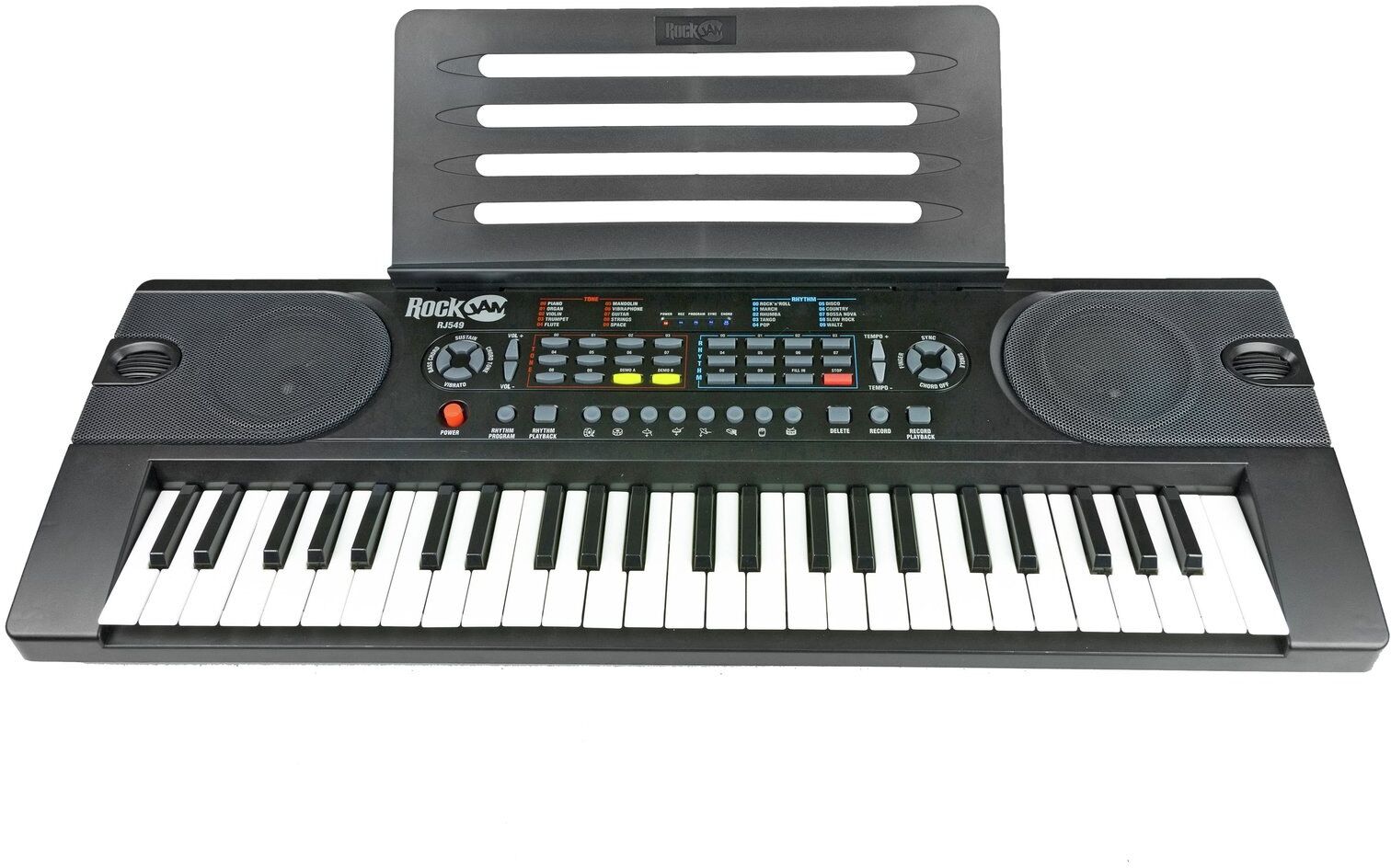
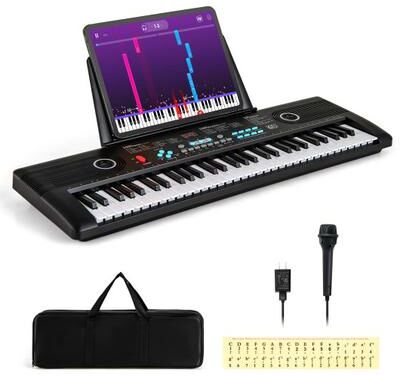
RockJam 49-Key Keyboard Piano with Power Supply, Sheet Music Stand, Piano Note Stickers & Simply Piano LessonsThis is definitely the key to you making beautiful music wherever you go. This portable, compact, 49 key keyboard also gives you 10 instrument sounds, 10 rhythm sounds and 8 demo songs to add to your experience. This makes an ideal introduction to keyboard and piano for any future musical aficionado. Includes Key Stickers and Music Rest. Suitable for beginners. 49 mini -size . 10 sounds, 10 rhythms, 8 percussions. 8 stored songs. 10 level tempo control. Built-in metronome. Volume control. With 8 note polyp...54,99 £*Shipping: 0,00 £Secure redirect to the provider
-
What is a piano key runner?
A piano key runner is a long, thin strip of felt or leather that sits underneath the keys of a piano. It helps to cushion the impact of the keys when they are pressed and also assists in keeping the keys aligned and moving smoothly. The runner is an essential component of the piano action mechanism, ensuring that the keys respond accurately and consistently to the pianist's touch. **
-
Which metal is in the piano key?
The metal used in piano keys is typically a type of steel. The keys themselves are made of a combination of wood and steel to create a durable and resonant surface for playing. The steel is often coated with a layer of plastic or ivory to provide a smooth and comfortable playing experience. **
-
What metal is in the piano key?
The metal in a piano key is typically made of steel. The steel is used to provide strength and durability to the key, allowing it to withstand the repeated pressure and impact from playing. The steel key is then covered with a layer of plastic or ivory to provide a smooth surface for the pianist's fingers to press on. **
-
How can one improve piano technique for fast note repetition and note repetition?
To improve piano technique for fast note repetition and note repetition, one can focus on developing finger strength and dexterity through regular practice and exercises. This can include practicing scales, arpeggios, and other technical exercises to improve finger agility and control. Additionally, focusing on proper hand and finger positioning, as well as relaxation and tension release, can help improve speed and accuracy in note repetition. It is also important to practice with a metronome to develop a steady and even rhythm, and to gradually increase speed as proficiency improves. **
Similar search terms for Piano-Key-Note-Stickers
-
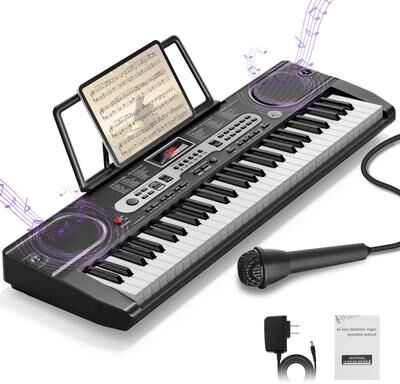
SUGIFT 61-Key Portable Electronic Piano Keyboard with LCD Display & MicrophoneDescription: Elevate your music with the SUGIFT 61-key electronic keyboard, designed for beginners and advanced players. Featuring 200 tones, 200 rhythms, 50 demo songs, and versatile teaching modes, it delivers rich sound and creative freedom.78,79 $*Shipping: 0,00 $Secure redirect to the provider
-
How do you stick key stickers onto a keyboard?
To stick key stickers onto a keyboard, first make sure the keyboard is clean and free of any dust or debris. Then, carefully peel off the stickers from the sheet and align them with the corresponding keys on the keyboard. Gently press down on each sticker to ensure it adheres properly. It's important to take your time and be precise to avoid any air bubbles or misalignment. Once all the stickers are in place, give them a final press to secure them onto the keys. **
-
How can one label a 36-key piano?
One way to label a 36-key piano is by using numbered stickers or labels that correspond to each key. These stickers can be placed on the keys themselves or on the piano's keyboard cover. Another option is to use colored stickers or labels to differentiate between the different keys. Additionally, one could create a key chart or diagram that shows the corresponding notes for each key on the piano. **
-
Is the key of the electric piano broken?
It is possible that the key of the electric piano is broken if it is not producing sound or if it is not responding when pressed. However, it is also possible that the issue could be related to the power supply, the internal electronics, or the connection between the key and the sound-producing mechanism. To determine if the key is broken, it would be necessary to inspect the physical condition of the key and its internal components, as well as test its functionality. **
-
Does the piano key have a metallic sound?
No, the piano key does not have a metallic sound. The sound of a piano key is produced by a hammer striking a string inside the piano, creating a rich and resonant tone. The materials used in the construction of the piano, such as wood, felt, and steel strings, contribute to the warm and mellow sound of the instrument, rather than a metallic one. **
* All prices are inclusive of VAT and, if applicable, plus shipping costs. The offer information is based on the details provided by the respective shop and is updated through automated processes. Real-time updates do not occur, so deviations can occur in individual cases. ** Note: Parts of this content were created by AI.