Buy ecorate.eu ?
We are moving the project
ecorate.eu .
Are you interested in purchasing the domain
ecorate.eu ?
domain@kv-gmbh.de · 0541-91531010
Buy ecorate.eu ?
How does a hydrogen generator work?
A hydrogen generator works by using a process called electrolysis to separate water (H2O) into its two components: hydrogen and oxygen. This is done by passing an electric current through water, which causes the water molecules to split into hydrogen gas and oxygen gas. The hydrogen gas is then collected and can be used as a clean and renewable energy source for various applications, such as powering fuel cells or vehicles. Overall, hydrogen generators offer a sustainable way to produce hydrogen without relying on fossil fuels. **
How can a backup generator be powered with self-generated hydrogen, by obtaining hydrogen through electrolysis from self-produced water and using a bubbler?
A backup generator can be powered with self-generated hydrogen by using a process called electrolysis to obtain hydrogen from self-produced water. Electrolysis involves passing an electric current through water to separate it into hydrogen and oxygen gas. The hydrogen gas can then be collected and stored for later use in a backup generator. To ensure the purity of the hydrogen gas, a bubbler can be used to remove any impurities before it is fed into the generator. This process allows for a sustainable and self-sufficient power source in the event of an emergency. **

Similar search terms for Hydrogen-Water-Generator-Cup
Top-Angebote
Products related to Hydrogen-Water-Generator-Cup:
-
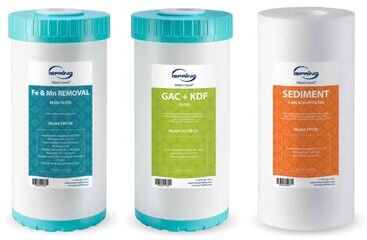
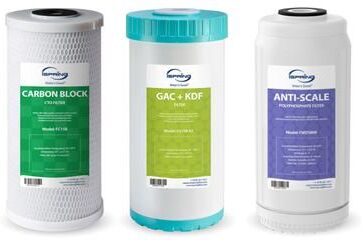
iSpring F3WGB31BKS Whole House Water Filter Replacement Pack, Reduces Heavy Metals, Lead, Hydrogen Sulfide, Chlorine, SedimentsReliable 3-Stage Whole House Water Filter – This whole house water filter repleacement set includes a 10” x 4.5” sediment filter (FP15B), a GAC KDF compound filter (FG15B-KS), and a high-quality carbon block filter (FC15B) to effectively reduce...164,99 $*Shipping: 0,00 $Secure redirect to the provider
-
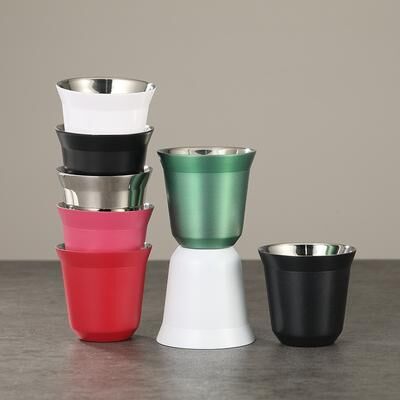
Uplifted Trends Capsule Stainless Steel Coffee Cup Double Wall Portable Water Cup redEnjoy every sip with a cup that feels as stylish as it is practical. This stainless steel coffee cup 80 ML features a sleek capsuleinspired shape, solid color finish, and compact flatbottom design for easy everyday use. Made for coffee lovers, tea...39,97 $*Shipping: 0,00 $Secure redirect to the provider
-
iSpring F3WGB31BKDS Whole House Water Filter Pack, Reduces Heavy Metals, Scale, Chlorine, Hydrogen Sulfide, Fits WGB31B-KDSScale & Corrosion Defense: Protect your pipes and appliances with the F3WGB31BKDS whole house water filter. This 3-stage water filter replacement pack is designed for the iSpring WGB31B-KDS whole house water filter system.247,33 $*Shipping: 0,00 $Secure redirect to the provider
-
Uplifted Trends Capsule Stainless Steel Coffee Cup Double Wall Portable Water Cup whiteEnjoy every sip with a cup that feels as stylish as it is practical. This stainless steel coffee cup 80 ML features a sleek capsuleinspired shape, solid color finish, and compact flatbottom design for easy everyday use. Made for coffee lovers, tea...39,97 $*Shipping: 0,00 $Secure redirect to the provider


-
Can hydrogen bonds form between hydrogen fluoride and water molecules?
Yes, hydrogen bonds can form between hydrogen fluoride (HF) and water molecules. Hydrogen fluoride is a polar molecule with a partially positive hydrogen atom and a partially negative fluorine atom, allowing it to form hydrogen bonds with the partially negative oxygen atoms in water molecules. This interaction occurs due to the attraction between the partially positive hydrogen atom in HF and the partially negative oxygen atom in water, resulting in the formation of hydrogen bonds between the two molecules. **
-
Is water without oxygen not hydrogen?
Water without oxygen is not hydrogen. Water is composed of two hydrogen atoms and one oxygen atom, while hydrogen is a separate element with its own unique properties. Removing the oxygen from water does not turn it into hydrogen; it simply leaves behind the hydrogen atoms. Therefore, water without oxygen is not the same as hydrogen. **
-
Can hydrogen bonds form between hydrogen fluoride (HF) and water (H2O)?
Yes, hydrogen bonds can form between hydrogen fluoride (HF) and water (H2O). In HF, the hydrogen atom is bonded to a highly electronegative fluorine atom, creating a partial positive charge on the hydrogen atom. This partial positive charge allows the hydrogen atom to form hydrogen bonds with the partially negative oxygen atom in water molecules. This interaction results in the formation of hydrogen bonds between HF and water molecules. **
-
Can hydrogen bonding occur between hydrogen fluoride (HF) and water (H2O)?
Yes, hydrogen bonding can occur between hydrogen fluoride (HF) and water (H2O). Both HF and water molecules have hydrogen atoms bonded to highly electronegative atoms (fluorine and oxygen, respectively), creating a partial positive charge on the hydrogen atoms. This allows for hydrogen bonding to occur between the partially positive hydrogen atoms of HF and the partially negative oxygen atoms of water. Therefore, HF and water can form hydrogen bonds with each other. **

What are the differences and similarities between water, hydrogen, and hydrogen oxide?
Water and hydrogen oxide are the same substance, both referring to the chemical compound H2O, which consists of two hydrogen atoms and one oxygen atom. Hydrogen, on the other hand, is a separate element with the chemical symbol H. The main difference between water/hydrogen oxide and hydrogen is that water is a compound, while hydrogen is an element. However, they are related in that water is made up of hydrogen atoms. All three substances are important in various chemical and biological processes, with water being essential for life, hydrogen being a key component in many industrial processes, and hydrogen oxide (water) being a universal solvent. **
How does hydrogen chloride dissolve in water?
When hydrogen chloride dissolves in water, it forms hydrochloric acid. The hydrogen chloride molecule (HCl) is a polar covalent molecule, with the hydrogen atom carrying a partial positive charge and the chlorine atom carrying a partial negative charge. When it comes into contact with water, the partially negative oxygen atoms in water molecules attract the positively charged hydrogen atom in hydrogen chloride, and the partially positive hydrogen atoms in water molecules attract the negatively charged chlorine atom in hydrogen chloride. This results in the hydrogen chloride molecule breaking apart and forming hydronium ions (H3O+) and chloride ions (Cl-) in the water, creating a solution of hydrochloric acid. **
Top-Angebote
Products related to Hydrogen-Water-Generator-Cup:
-
iSpring F3WGB31BMKS Whole House Water Filter Pack, Reduces Iron, Manganese, Hydrogen Sulfide, Lead, Chlorine, SedimentsReliable Whole House Water Filtration – F3WGB31BMKS whole house water filter replacement pack includes a 10” x 4.5” sediment filter, a GAC and KDF compound filter, and an iron filter to tackle sediments, chlorine, heavy metals, hydrogen sulfide,...143,77 $*Shipping: 0,00 $Secure redirect to the provider
-
iSpring WGB32B-MKS Whole House Water Filtration System, Sediment, Iron, Hydrogen Sulfide, PFAS, Lead, Chlorine, ManganeseCutting-Edge Filtration: Our system employs advanced water purification with three specialized filters. The first-stage FP25B polypropylene sediment filter captures minute particles (down to 5 microns).703,99 $*Shipping: 0,00 $Secure redirect to the provider
-
iSpring F3WGB31BKS Whole House Water Filter Replacement Pack, Reduces Heavy Metals, Lead, Hydrogen Sulfide, Chlorine, SedimentsReliable 3-Stage Whole House Water Filter – This whole house water filter repleacement set includes a 10” x 4.5” sediment filter (FP15B), a GAC KDF compound filter (FG15B-KS), and a high-quality carbon block filter (FC15B) to effectively reduce...164,99 $*Shipping: 0,00 $Secure redirect to the provider
-
Uplifted Trends Capsule Stainless Steel Coffee Cup Double Wall Portable Water Cup redEnjoy every sip with a cup that feels as stylish as it is practical. This stainless steel coffee cup 80 ML features a sleek capsuleinspired shape, solid color finish, and compact flatbottom design for easy everyday use. Made for coffee lovers, tea...39,97 $*Shipping: 0,00 $Secure redirect to the provider
-
How does a hydrogen generator work?
A hydrogen generator works by using a process called electrolysis to separate water (H2O) into its two components: hydrogen and oxygen. This is done by passing an electric current through water, which causes the water molecules to split into hydrogen gas and oxygen gas. The hydrogen gas is then collected and can be used as a clean and renewable energy source for various applications, such as powering fuel cells or vehicles. Overall, hydrogen generators offer a sustainable way to produce hydrogen without relying on fossil fuels. **
-
How can a backup generator be powered with self-generated hydrogen, by obtaining hydrogen through electrolysis from self-produced water and using a bubbler?
A backup generator can be powered with self-generated hydrogen by using a process called electrolysis to obtain hydrogen from self-produced water. Electrolysis involves passing an electric current through water to separate it into hydrogen and oxygen gas. The hydrogen gas can then be collected and stored for later use in a backup generator. To ensure the purity of the hydrogen gas, a bubbler can be used to remove any impurities before it is fed into the generator. This process allows for a sustainable and self-sufficient power source in the event of an emergency. **
-
Can hydrogen bonds form between hydrogen fluoride and water molecules?
Yes, hydrogen bonds can form between hydrogen fluoride (HF) and water molecules. Hydrogen fluoride is a polar molecule with a partially positive hydrogen atom and a partially negative fluorine atom, allowing it to form hydrogen bonds with the partially negative oxygen atoms in water molecules. This interaction occurs due to the attraction between the partially positive hydrogen atom in HF and the partially negative oxygen atom in water, resulting in the formation of hydrogen bonds between the two molecules. **
-
Is water without oxygen not hydrogen?
Water without oxygen is not hydrogen. Water is composed of two hydrogen atoms and one oxygen atom, while hydrogen is a separate element with its own unique properties. Removing the oxygen from water does not turn it into hydrogen; it simply leaves behind the hydrogen atoms. Therefore, water without oxygen is not the same as hydrogen. **
Similar search terms for Hydrogen-Water-Generator-Cup
-
iSpring F3WGB31BKDS Whole House Water Filter Pack, Reduces Heavy Metals, Scale, Chlorine, Hydrogen Sulfide, Fits WGB31B-KDSScale & Corrosion Defense: Protect your pipes and appliances with the F3WGB31BKDS whole house water filter. This 3-stage water filter replacement pack is designed for the iSpring WGB31B-KDS whole house water filter system.247,33 $*Shipping: 0,00 $Secure redirect to the provider
-
Uplifted Trends Capsule Stainless Steel Coffee Cup Double Wall Portable Water Cup whiteEnjoy every sip with a cup that feels as stylish as it is practical. This stainless steel coffee cup 80 ML features a sleek capsuleinspired shape, solid color finish, and compact flatbottom design for easy everyday use. Made for coffee lovers, tea...39,97 $*Shipping: 0,00 $Secure redirect to the provider
-
Uplifted Trends Capsule Stainless Steel Coffee Cup Double Wall Portable Water Cup silverEnjoy every sip with a cup that feels as stylish as it is practical. This stainless steel coffee cup 80 ML features a sleek capsuleinspired shape, solid color finish, and compact flatbottom design for easy everyday use. Made for coffee lovers, tea...39,97 $*Shipping: 0,00 $Secure redirect to the provider
-
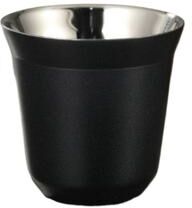
Uplifted Trends Capsule Stainless Steel Coffee Cup Double Wall Portable Water Cup blackEnjoy every sip with a cup that feels as stylish as it is practical. This stainless steel coffee cup 80 ML features a sleek capsuleinspired shape, solid color finish, and compact flatbottom design for easy everyday use. Made for coffee lovers, tea...39,97 $*Shipping: 0,00 $Secure redirect to the provider
-
Can hydrogen bonds form between hydrogen fluoride (HF) and water (H2O)?
Yes, hydrogen bonds can form between hydrogen fluoride (HF) and water (H2O). In HF, the hydrogen atom is bonded to a highly electronegative fluorine atom, creating a partial positive charge on the hydrogen atom. This partial positive charge allows the hydrogen atom to form hydrogen bonds with the partially negative oxygen atom in water molecules. This interaction results in the formation of hydrogen bonds between HF and water molecules. **
-
Can hydrogen bonding occur between hydrogen fluoride (HF) and water (H2O)?
Yes, hydrogen bonding can occur between hydrogen fluoride (HF) and water (H2O). Both HF and water molecules have hydrogen atoms bonded to highly electronegative atoms (fluorine and oxygen, respectively), creating a partial positive charge on the hydrogen atoms. This allows for hydrogen bonding to occur between the partially positive hydrogen atoms of HF and the partially negative oxygen atoms of water. Therefore, HF and water can form hydrogen bonds with each other. **
-
What are the differences and similarities between water, hydrogen, and hydrogen oxide?
Water and hydrogen oxide are the same substance, both referring to the chemical compound H2O, which consists of two hydrogen atoms and one oxygen atom. Hydrogen, on the other hand, is a separate element with the chemical symbol H. The main difference between water/hydrogen oxide and hydrogen is that water is a compound, while hydrogen is an element. However, they are related in that water is made up of hydrogen atoms. All three substances are important in various chemical and biological processes, with water being essential for life, hydrogen being a key component in many industrial processes, and hydrogen oxide (water) being a universal solvent. **
-
How does hydrogen chloride dissolve in water?
When hydrogen chloride dissolves in water, it forms hydrochloric acid. The hydrogen chloride molecule (HCl) is a polar covalent molecule, with the hydrogen atom carrying a partial positive charge and the chlorine atom carrying a partial negative charge. When it comes into contact with water, the partially negative oxygen atoms in water molecules attract the positively charged hydrogen atom in hydrogen chloride, and the partially positive hydrogen atoms in water molecules attract the negatively charged chlorine atom in hydrogen chloride. This results in the hydrogen chloride molecule breaking apart and forming hydronium ions (H3O+) and chloride ions (Cl-) in the water, creating a solution of hydrochloric acid. **
* All prices are inclusive of VAT and, if applicable, plus shipping costs. The offer information is based on the details provided by the respective shop and is updated through automated processes. Real-time updates do not occur, so deviations can occur in individual cases. ** Note: Parts of this content were created by AI.