Buy ecorate.eu ?
We are moving the project
ecorate.eu .
Are you interested in purchasing the domain
ecorate.eu ?
domain@kv-gmbh.de · 0541-91531010
Buy ecorate.eu ?
How do brake pad deposits form on the brake disc?
Brake pad deposits form on the brake disc when the brake pads generate excessive heat during braking. This heat can cause the brake pad material to transfer onto the surface of the brake disc, creating a layer of deposits. Factors such as aggressive driving, heavy braking, and using low-quality brake pads can contribute to the formation of these deposits. Over time, these deposits can lead to brake noise, vibration, and reduced braking performance, requiring the disc to be cleaned or replaced. Regular maintenance and using high-quality brake pads can help prevent the formation of brake pad deposits. **
Is the brake disc broken or was the brake pad responsible for it?
Without further inspection, it is difficult to determine whether the brake disc is broken or if the brake pad is responsible for the issue. Both components play a crucial role in the braking system, and either one could be the cause of the problem. It is recommended to have a professional mechanic inspect the brake system to accurately diagnose the issue and determine the necessary repairs. **
Similar search terms for Disc-Brake-Pad-Spreader
Top-Angebote
Products related to Disc-Brake-Pad-Spreader:


-
How does oil get on the brake pad of the bicycle disc brake?
Oil can get on the brake pad of a bicycle disc brake from a few different sources. One common way is through contamination from the chain or other bike components that have oil or lubricant on them. Additionally, if the bike is being worked on and oil is accidentally spilled or dripped onto the brake pad, it can also cause oil to get on the brake pad. Finally, if the bike is ridden in wet or muddy conditions, the brake pads can pick up oil and other contaminants from the road or trail surface. **
-
What is broken when only one brake pad moves in a Shimano disc brake?
When only one brake pad moves in a Shimano disc brake, it typically indicates a problem with the caliper. This could be due to a sticky piston or a misalignment within the caliper. It's important to address this issue promptly, as it can lead to uneven braking and premature wear on the brake pad. Regular maintenance and inspection of the caliper and brake system can help prevent this issue from occurring. **
-
What can be done if the bicycle brake disc is rubbing against the brake pad?
If the bicycle brake disc is rubbing against the brake pad, there are a few things that can be done to fix the issue. First, check to make sure the wheel is properly seated in the dropouts and the quick release or thru-axle is tightened securely. Next, check the brake caliper to ensure it is centered and aligned properly. If the caliper is misaligned, it may need to be adjusted using the barrel adjuster or by loosening the mounting bolts and repositioning the caliper. Additionally, check the brake pads for wear and replace them if necessary. If the issue persists, it may be best to have a professional mechanic inspect and adjust the brakes. **
-
Is the brake disc broken or was the pad responsible for it?
Without further information or inspection, it is difficult to determine whether the brake disc is broken or if the brake pad is responsible for the issue. Both components play a crucial role in the braking system, and either one could be the cause of the problem. It is recommended to have a professional mechanic inspect the brake system to accurately diagnose the issue. **

Why does the brake pad of my disc brake on my bicycle make a clicking noise?
The clicking noise from the brake pad of a disc brake on a bicycle could be caused by a few different factors. One common reason is that the brake pad may be slightly misaligned, causing it to hit the rotor at an angle and create a clicking sound as it makes contact. Another possibility is that the brake pad may be worn down and reaching the end of its lifespan, causing it to make noise as it interacts with the rotor. Additionally, dirt or debris on the rotor or brake pad can also lead to clicking sounds as the brake is engaged. It's important to address the issue promptly to ensure the brake system is functioning properly and safely. **
How can I fix the problem if the brake pad is pressing against the brake disc or vice versa?
If the brake pad is pressing against the brake disc or vice versa, it could be due to a misalignment or a malfunction in the brake system. To fix this issue, you should first inspect the brake components to identify the root cause of the problem. Adjusting the brake caliper position or replacing worn-out brake pads or discs may be necessary to resolve the issue. It is important to address this problem promptly to ensure the safety and proper functioning of your vehicle's braking system. **
Top-Angebote
Products related to Disc-Brake-Pad-Spreader:
-
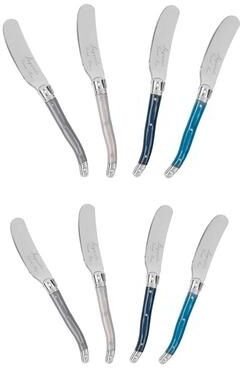
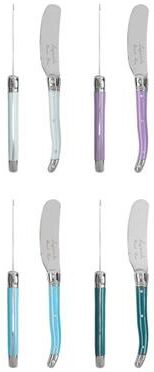
French Home 8-Piece Laguiole Spreader Set - Holly BerrySpread creamy butter on a French baguette, preserves on a toasted slice of wheat bread, tangy chèvre on a cracker, or cream cheese on a bagel with French Home’s set of 8 Laguiole spreaders.33,00 $*Shipping: 0,00 $Secure redirect to the provider
-
How do brake pad deposits form on the brake disc?
Brake pad deposits form on the brake disc when the brake pads generate excessive heat during braking. This heat can cause the brake pad material to transfer onto the surface of the brake disc, creating a layer of deposits. Factors such as aggressive driving, heavy braking, and using low-quality brake pads can contribute to the formation of these deposits. Over time, these deposits can lead to brake noise, vibration, and reduced braking performance, requiring the disc to be cleaned or replaced. Regular maintenance and using high-quality brake pads can help prevent the formation of brake pad deposits. **
-
Is the brake disc broken or was the brake pad responsible for it?
Without further inspection, it is difficult to determine whether the brake disc is broken or if the brake pad is responsible for the issue. Both components play a crucial role in the braking system, and either one could be the cause of the problem. It is recommended to have a professional mechanic inspect the brake system to accurately diagnose the issue and determine the necessary repairs. **
-
How does oil get on the brake pad of the bicycle disc brake?
Oil can get on the brake pad of a bicycle disc brake from a few different sources. One common way is through contamination from the chain or other bike components that have oil or lubricant on them. Additionally, if the bike is being worked on and oil is accidentally spilled or dripped onto the brake pad, it can also cause oil to get on the brake pad. Finally, if the bike is ridden in wet or muddy conditions, the brake pads can pick up oil and other contaminants from the road or trail surface. **
-
What is broken when only one brake pad moves in a Shimano disc brake?
When only one brake pad moves in a Shimano disc brake, it typically indicates a problem with the caliper. This could be due to a sticky piston or a misalignment within the caliper. It's important to address this issue promptly, as it can lead to uneven braking and premature wear on the brake pad. Regular maintenance and inspection of the caliper and brake system can help prevent this issue from occurring. **
Similar search terms for Disc-Brake-Pad-Spreader
-
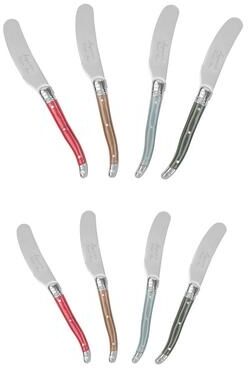
French Home 8-Piece Laguiole Spreader Set - Warm SpiceSpread creamy butter on a French baguette, preserves on a toasted slice of wheat bread, tangy chèvre on a cracker, or cream cheese on a bagel with French Home’s set of 8 Laguiole spreaders.40,49 $*Shipping: 0,00 $Secure redirect to the provider
-
French Home 8-Piece Laguiole Spreader Set - Plum RoseSpread creamy butter on a French baguette, preserves on a toasted slice of wheat bread, tangy chèvre on a cracker, or cream cheese on a bagel with French Home’s set of 8 Laguiole spreaders.38,87 $*Shipping: 0,00 $Secure redirect to the provider
-
What can be done if the bicycle brake disc is rubbing against the brake pad?
If the bicycle brake disc is rubbing against the brake pad, there are a few things that can be done to fix the issue. First, check to make sure the wheel is properly seated in the dropouts and the quick release or thru-axle is tightened securely. Next, check the brake caliper to ensure it is centered and aligned properly. If the caliper is misaligned, it may need to be adjusted using the barrel adjuster or by loosening the mounting bolts and repositioning the caliper. Additionally, check the brake pads for wear and replace them if necessary. If the issue persists, it may be best to have a professional mechanic inspect and adjust the brakes. **
-
Is the brake disc broken or was the pad responsible for it?
Without further information or inspection, it is difficult to determine whether the brake disc is broken or if the brake pad is responsible for the issue. Both components play a crucial role in the braking system, and either one could be the cause of the problem. It is recommended to have a professional mechanic inspect the brake system to accurately diagnose the issue. **
-
Why does the brake pad of my disc brake on my bicycle make a clicking noise?
The clicking noise from the brake pad of a disc brake on a bicycle could be caused by a few different factors. One common reason is that the brake pad may be slightly misaligned, causing it to hit the rotor at an angle and create a clicking sound as it makes contact. Another possibility is that the brake pad may be worn down and reaching the end of its lifespan, causing it to make noise as it interacts with the rotor. Additionally, dirt or debris on the rotor or brake pad can also lead to clicking sounds as the brake is engaged. It's important to address the issue promptly to ensure the brake system is functioning properly and safely. **
-
How can I fix the problem if the brake pad is pressing against the brake disc or vice versa?
If the brake pad is pressing against the brake disc or vice versa, it could be due to a misalignment or a malfunction in the brake system. To fix this issue, you should first inspect the brake components to identify the root cause of the problem. Adjusting the brake caliper position or replacing worn-out brake pads or discs may be necessary to resolve the issue. It is important to address this problem promptly to ensure the safety and proper functioning of your vehicle's braking system. **
* All prices are inclusive of VAT and, if applicable, plus shipping costs. The offer information is based on the details provided by the respective shop and is updated through automated processes. Real-time updates do not occur, so deviations can occur in individual cases. ** Note: Parts of this content were created by AI.